


History of Wellness Patches
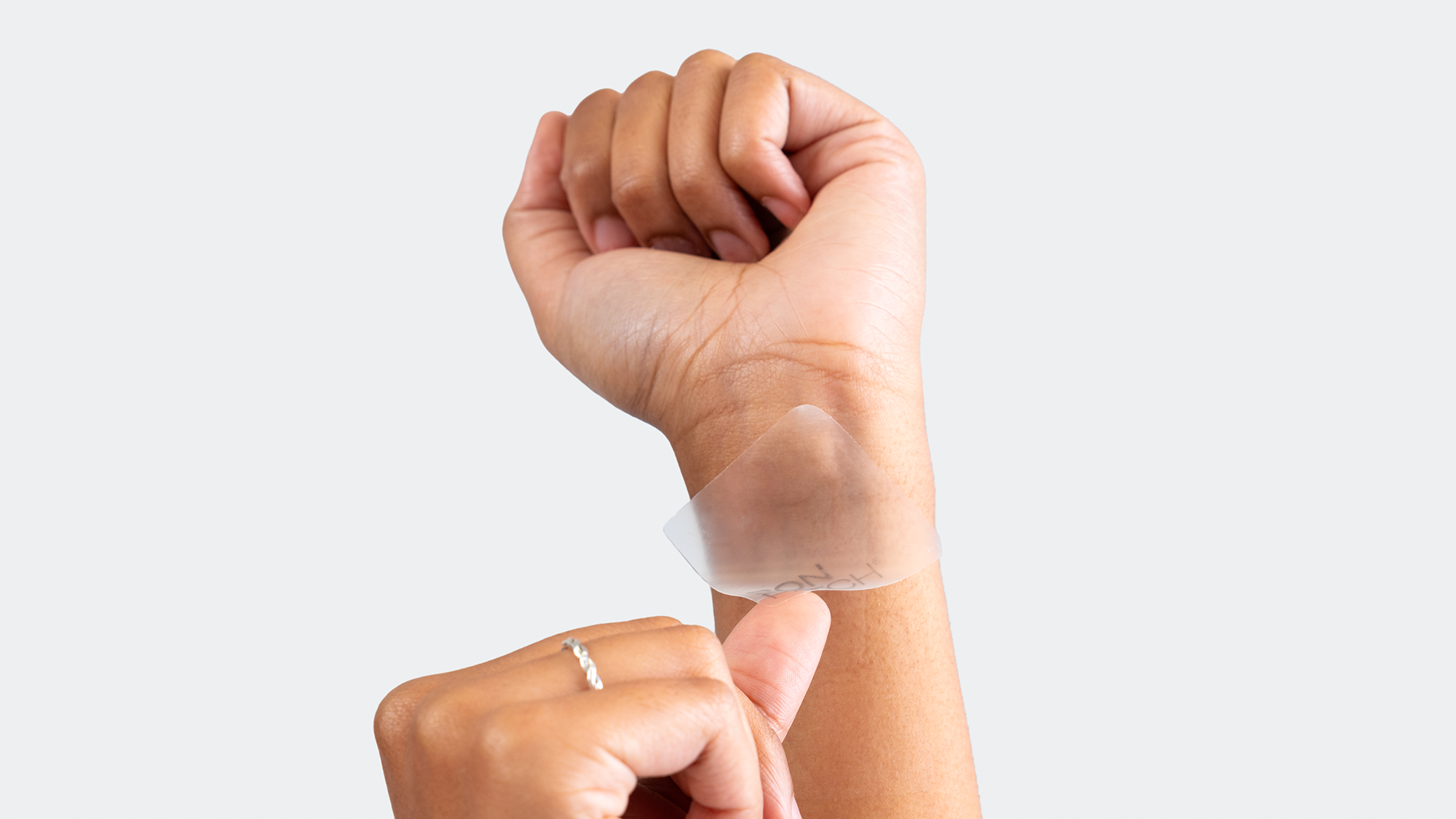
A Proven Medical Technology
Transdermal patches have revolutionized the field of drug delivery by providing a convenient and efficient method of administering medications through the skin. This innovative approach has a fascinating history that spans several decades and represents a proven, trusted technology used by millions worldwide.
What began as experimental research in the 1950s has evolved into a multi-billion dollar pharmaceutical delivery system with numerous FDA-approved medications delivered via transdermal patches. This journey from laboratory curiosity to mainstream medical treatment demonstrates the scientific validity and clinical effectiveness of transdermal delivery.
The Evolution of Transdermal Delivery
EARLY EXPERIMENTS (1950-1960)
The concept of transdermal delivery emerged in the 1950s and 1960s, with pioneering researchers exploring the possibility of delivering medications through the skin. Early experiments involved simple patches with limited success due to challenges in designing formulations that could penetrate the skin barrier effectively.
But the foundation was laid for a healthcare revolution.
BIRTH OF THE TRANSDERMAL PATCH (1979)
The breakthrough came in 1979 with the development of the first FDA-approved commercially available patch: the Scopolamine patch. This patch delivered anti-nausea medication to prevent motion sickness and is still used by travelers and sailors today.
The success of the Scopolamine patch proved that transdermal delivery wasn't just possible, it offered unique advantages for continuous, controlled release applications. This paved the way for an explosion of innovation in transdermal delivery systems.
NICOTINE AND HORMONES (1980s to 1990s)
The late 1980s and early 1990s marked a watershed moment with the development and approval of the Nicotine patch as a smoking cessation aid. Research began in the mid-1980s, with the first nicotine patches receiving FDA approval in 1991. This became one of the most successful public health interventions of the era, helping millions quit smoking by providing steady nicotine levels throughout the day.
Concurrently, Hormone Replacement Therapy (HRT) patches were developed in the 1980s to provide controlled release of estrogen and progesterone, offering women a more convenient alternative to oral hormone therapy with the benefit of bypassing first-pass liver metabolism.
The medical community took notice: patches offered distinct advantages for applications requiring steady-state delivery, and patient adherence rates improved significantly.
EXPANSION OF APPLICATIONS (1990s)
The 1990s witnessed an expansion of transdermal patch applications across multiple therapeutic areas:
- Fentanyl patches for managing chronic pain, offering 72-hour continuous relief
- Nitroglycerin patches for angina and heart conditions
- Rivastigmine patches for Alzheimer's disease management
- Contraceptive patches for birth control
The versatility of the technology became clear: for conditions benefiting from steady, continuous delivery, patches offered a compelling alternative to multiple daily doses.
TECHNOLOGICAL ADVANCEMENTS (2000s)
The 2000s brought sophisticated engineering innovations:
- Micro-needle array technology to enhance absorption
- Rate-controlling membranes for precision dosing
- Advanced adhesive systems for all-day comfort
- Multi-layer patch designs for complex formulations
The diversity of medications delivered via transdermal patches continued to grow, encompassing treatments for hypertension, ADHD, osteoporosis, overactive bladder, and more.
Numerous FDA-approved transdermal medications are now on the market, representing billions in annual sales and demonstrating the clinical validity of this delivery method.
PERSONALISED MEDICINE AND WEARABLE TECHNOLOGY (2010s)
The 2010s brought a focus on personalized medicine, leading to patches tailored to individual patient needs. The integration of wearable technology, including smart patches capable of monitoring vital signs, drug levels, and even glucose, further enhanced the utility of transdermal delivery.
Tech giants and startups alike began investing in patch technology, recognizing its potential across healthcare and wellness applications.
A NEW ERA (2020 to PRESENT)
As we entered the current decade, transdermal patches continued to evolve with:
- Biocompatible materials for sensitive skin
- Extended-release formulations lasting up to 7 days
- Combination patches delivering multiple nutrients simultaneously
- Enhanced absorption technologies pushing the boundaries of what's possible
The versatility of transdermal patches now extends beyond pharmaceuticals, offering a convenient, effective alternative to traditional vitamin and wellness supplementation for those seeking a different approach to their daily routine.

From Medicine to Wellness
The history of transdermal patches reflects a journey of innovation and persistence in the quest for more effective and patient-friendly delivery methods. From humble beginnings to a diverse array of applications, transdermal patches have significantly impacted the field of medicine.
They have transcended boundaries, extending their influence into the broader arena of general health and wellness, presenting a valuable, scientifically-validated alternative for consumers worldwide.
The same delivery system that has provided life-saving medications for decades is now being applied to everyday wellness, bringing pharmaceutical-grade precision to your daily routine.
Curious about transdermal patches work? Learn How Patches Work
Ready to explore transdermal wellness? SHOP NOW
These statements have not been evaluated by the Food and Drug Administration. This product is not intended to diagnose, treat, cure, or prevent any disease.